
The Myth of New Construction
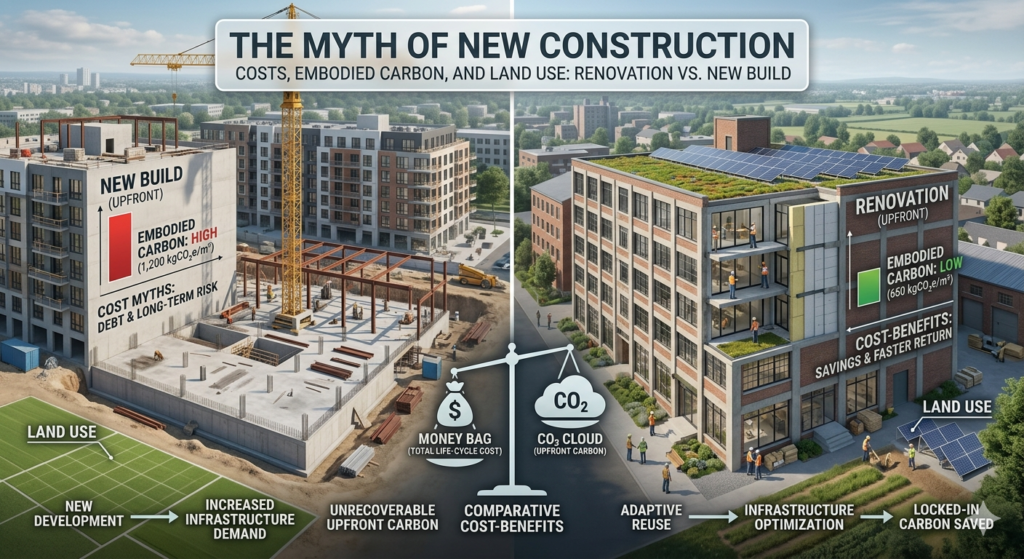
New construction is usually presented as the rational answer to housing needs. It appears clean, measurable, bankable, and future-oriented. By contrast, renovation is treated as sentimental, technically awkward, and financially uncertain. But this contrast is deeply misleading. What new construction often offers is not superior social, ecological, or even economic value. It offers legibility to a system built around standardisation: standard permits, standard insurance, standard finance, standard procurement, standard ownership structures.
Demolition as Default: How Cities Destroy Their Past
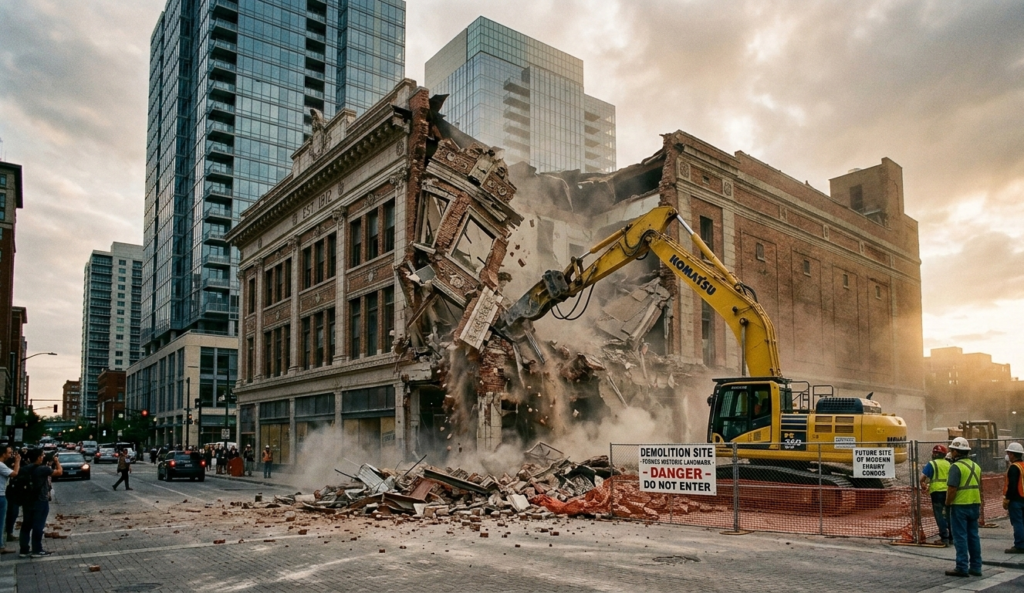
Buildings rarely disappear with drama. They fade quietly through postponed maintenance, temporary repairs, and technical reports until renovation is declared “uneconomical” and demolition becomes inevitable. Across Finland and much of the developed world, structurally viable schools, municipal buildings, and housing blocks are routinely demolished, not because they have failed, but because renovation is administratively complex and economically uncertain.
The Architecture of Exclusion

The contemporary housing crisis is often framed as a shortage problem. Not enough homes, not enough speed, not enough efficiency. This framing is comforting because it suggests a technical fix: build more, build faster, build higher. Yet this diagnosis avoids a more unsettling truth. In many countries, Finland included, we have not failed to build […]
The End of Accessible Housing
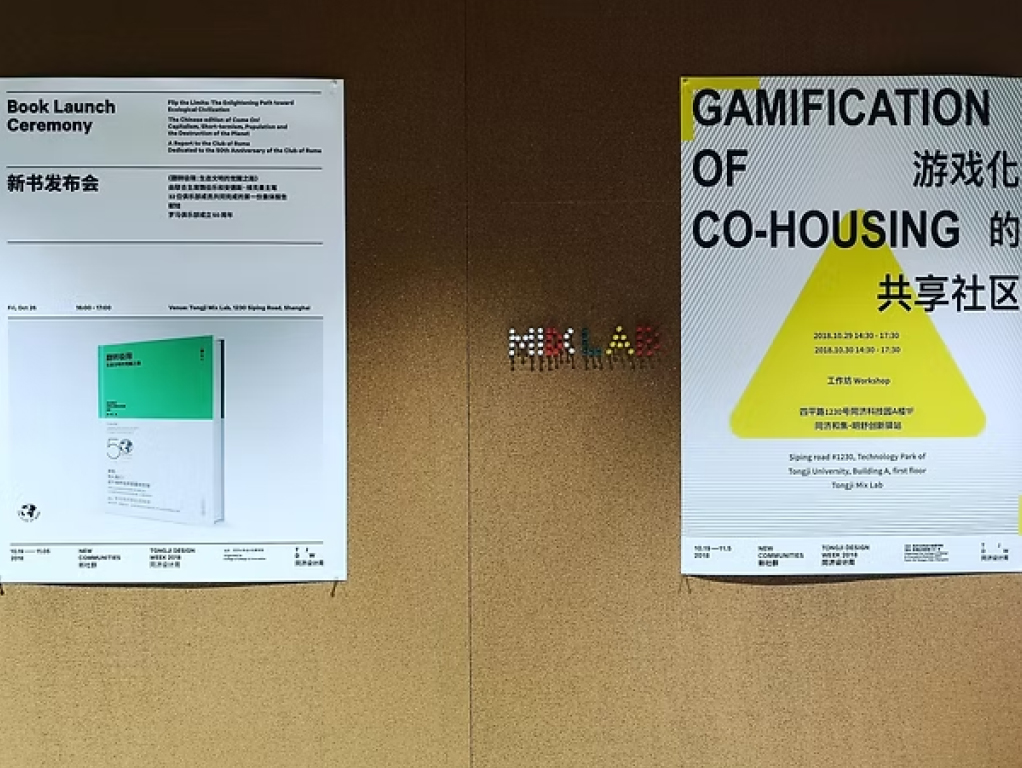
What happens when rules designed to protect begin to exclude? This essay traces how safety regulation reshaped housing into a closed system, and why Gamified Cohousing emerged as a cautious attempt to reopen it.
Against Spectator Renovation: A Democratic Playbook for Participatory Renewal
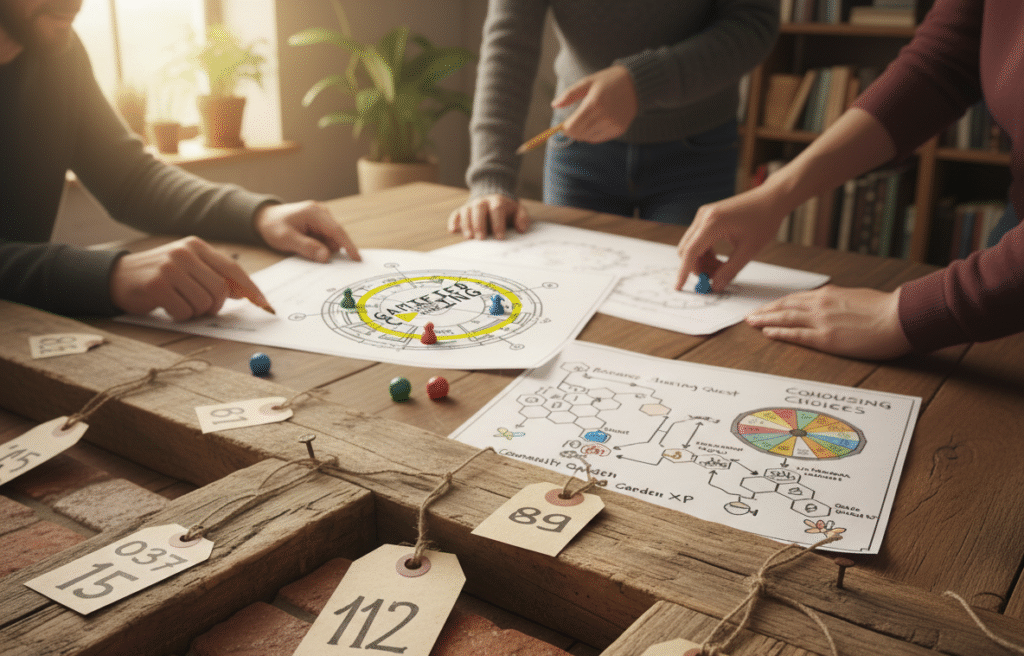
Renovation is having its moment, but much of what is called “participation” today is merely a spectacle: decisions made elsewhere, with citizens invited to clap. This is spectator renovation—efficient on paper, brittle in practice. True participatory renovation goes beyond questionnaires and ribbon-cuttings; it impacts rights, budgets, and beneficiaries. Learn how we can make renovation a democratic process that empowers communities, fosters transparency, and gives those affected a voice in shaping their environments.
Re Renovate 2: From Heritage to Future Rethinking
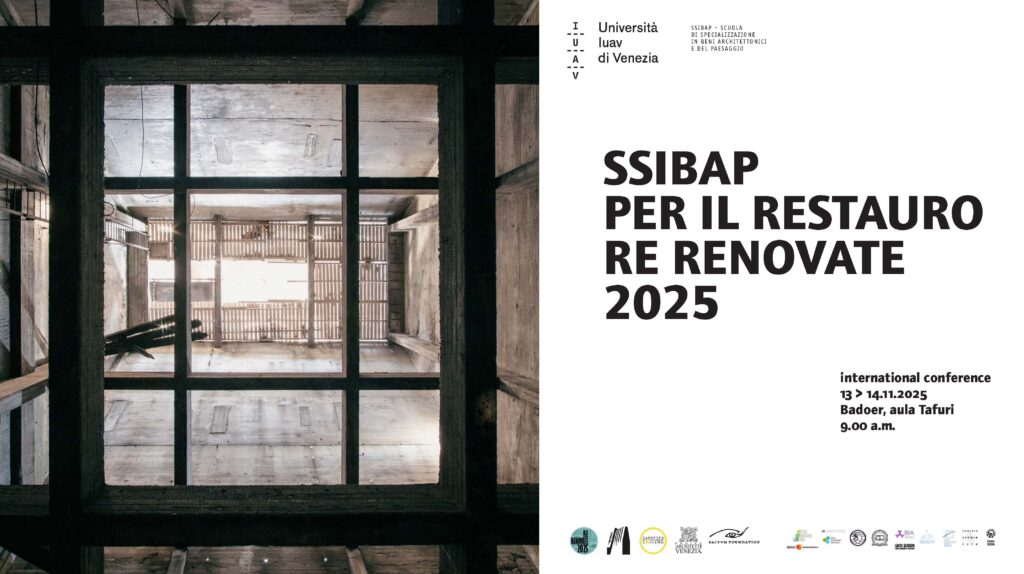
Welcome to the second edition of Re Renovate
Heritage Housing in Finland: How Gamified Cohousing Builds a Different Future
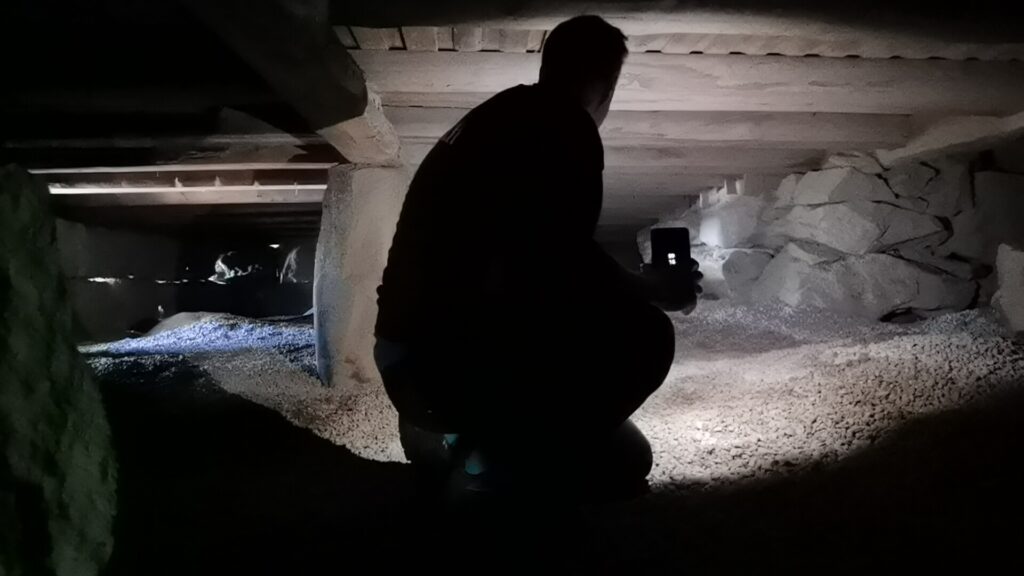
Gamified Cohousing offers a new approach to heritage housing in Finland through light renovations, community input, and long-term affordability.
Why Cohousing Communities eventually die

There are no widely available statistics or comprehensive data on the exact number of cohousing communities that have disappeared or dissolved over time. Cohousing communities can vary significantly in terms of size, location, and organization, making it challenging to compile comprehensive data on their longevity and dissolution. This would require primary research.
The Power of “Play-off and Playground” in Urban Planning

Talk at the National Museum of Architecture, Helsinki, Finland by Pedro Aibéo & Mark Linder (Architectural Democracy), 16.09.2023
New Gamified Cohousings in Kannus and Lappeenranta

Kanavansuu School in lappeenranta and Kannus Railway Station are now being transformed into Gamified Cohousings. What is this and what opportunities are there for the region?